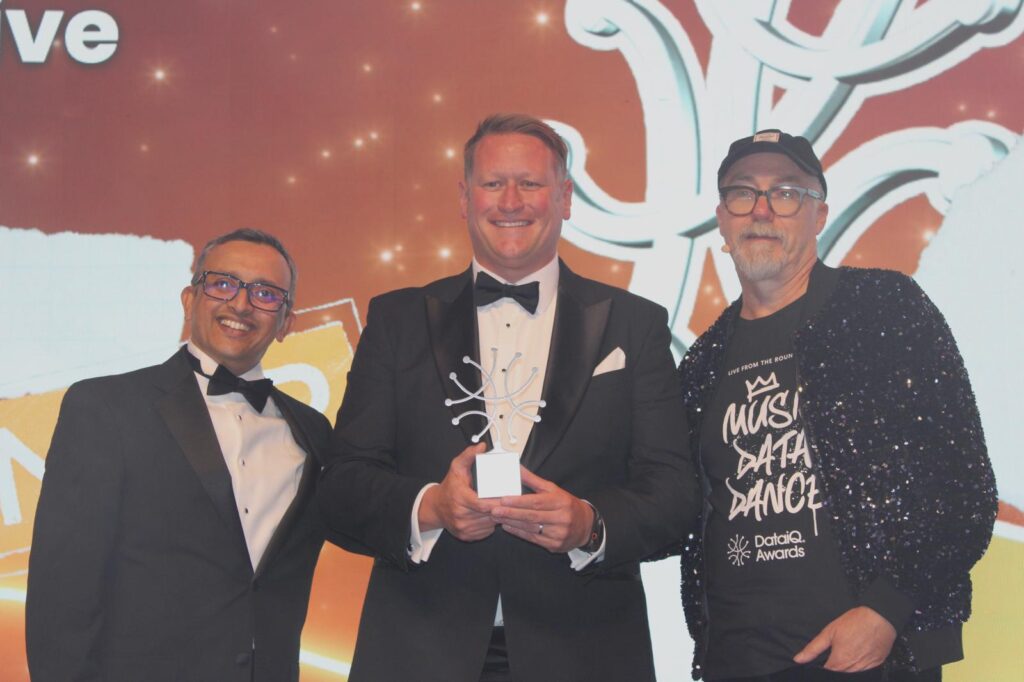
HRGO Recruitment built BettyAI to tackle recruitment’s persistent problem of candidates receiving little or no feedback. In its first year, the conversational AI assistant delivered more than 200,000 personalised feedback interactions, contributing to a 28% increase in candidate satisfaction and an 11% reduction in no-shows, while giving recruiters more time for higher-value human interaction.
For candidates, applying for a job can often end in silence, and the problem is acute in high-volume temporary recruitment where providing meaningful, individual feedback to every applicant can be difficult to achieve at scale.
HRGO Recruitment set out to change that experience with BettyAI, an in-house conversational assistant designed around using AI to screen candidates and give something useful back to them.
Using AI to Tackle Recruitment’s Feedback Gap
Rather than creating another recruitment chatbot or automated FAQ service, HRGO designed BettyAI specifically to provide personalised application feedback.
Combining conversational AI, natural language processing, and role-matching intelligence, Betty reviews application information against the requirements of the role before explaining candidates’ strengths, areas for improvement, and potential fit.
Achieving this at scale required more than automating standard responses. HRGO trained and refined Betty using real-world applications alongside input from candidates, consultants, and hiring managers. Attention was paid to language and tone so that feedback remained clear and constructive, not generic or impersonal.
The system was designed around transparency. Candidates know they are interacting with an AI assistant, can opt out, and can escalate to a human where required.
This human-centred approach shaped internal adoption as HRGO designed the technology to handle elements of early-stage candidate engagement, freeing consultants to spend more time supporting interactions where human expertise adds greater value.
“Stands out for its high empathy and brilliant problem-solving focus. HRGO creatively flipped the script: instead of using AI quietly to filter out and reject candidates, they built ‘BettyAI’ to give something back – infusing role-matching data with a kind, human tone. A highly-impactful application of conversational NLP.” – Judges’ comments
Scaling Personalised Candidate Support
Within its first 12 months, BettyAI demonstrated that individualised feedback could be delivered at a scale that would be difficult to achieve through recruiters alone:
- More than 200,000 personalised feedback interactions delivered within a year.
- Candidate satisfaction scores increased by 28%.
- Candidate no-shows reduced by 11%.
- Feedback tailored to individual applications, CV information, and specific role requirements.
- Thousands of candidates receive real-time guidance without placing additional demands on recruitment consultants.
The impact extends beyond operational metrics. HRGO reports that candidates have used Betty’s feedback to update their CVs, reconsider which roles best match their experience, and reapply with greater confidence. Candidate responses supplied to HRGO have described the service as “helpful”, “respectful”, “supportive”, and “amazing”.
Making Automation More Human
BettyAI represents a different application of AI within recruitment. Automation is frequently deployed to filter applications, accelerate screening, or reduce administrative workloads, so HRGO focused its innovation on what happens to the candidate.
That distinction matters because at high volumes meaningful feedback is difficult for individual consultants to provide consistently, creating a tension between recruitment efficiency and candidate experience. Betty bridges that gap by applying technology to scale a traditionally human interaction. The result is an example of AI being used to create an interaction that might otherwise never happen.
By combining role-aware intelligence with careful attention to tone, transparency, and human escalation, HRGO has demonstrated how AI can make a highly automated recruitment environment more responsive to the people within it, turning candidate feedback from an operational challenge into a scalable part of the recruitment experience.