
The 11 Core Functionalities of a Successful Data Strategy
In this report Tealium has partnered with Gartner to round up the top data and analytics predictions to help professionals enhance their strategic programmes and embrace digitalisation.
The New Role of Marketing Analytics & Visualisation
In the second instalment of the Strategic Playbook for Data-Driven Agencies series by Adverity, we take a closer look at the growing role of data visualisation and dashboards. Agencies must embrace new data-driven technology to ensure their long-term future and keep pace in times of digital transformation.
Swipe Right: Moving consumers from an on/off affair to a committed data relationship

How to move consumers from an on/off affair to a committed data relationship: A report from DQM GRC on how to make sure you are ready when former customers get back in contact, how to reset the data relationship and ten questions to ask about your data relationship with consumers.
2018 Global State of Enterprise Analytics Report
The 2018 Global State of Enterprise Analytics report by MicroStrategy is based on an expansive survey of 500 analytics professionals from around the world and delivers an overall picture of the latest thinking around analytics and mobility, and a glimpse of what’s next.
How studying big cats led to analysing big data

Elizabeth Moorcroft, a senior data scientist at Aviva, is working in the customer service team as part of the insurance company’s global data science practice, Quantum. Her daily tasks depend on the stage of the project she is working on at the ti…
Crunching data to map the Milky Way

The mission of the European Space Agency (ESA) is to explore the universe and it has a fleet of 10 craft out in space to do so. The Gaia space mission began in 1993 and the actual spacecraft was launched in 2013. Its aim is to create a precise 3D …
Getting the National Express bus network on board with data

Most Brits would think of intercity coach travel or airport transfers when the brand National Express comes to mind. So many may not know that two thirds of its journeys are carried out by third party providers.
“All the vehicles are the sa…
A data leader’s tips to owning your achievements

Natalie Jakomis, as the group head of data at GoCompare, is responsible for data engineering, data intelligence and data science. She is also charged with getting every part of the business to be more effective with data “so that data becomes part…
How sharing public sector data can solve societal problems

Lee Howell, currently seconded to Avon and Somerset Constabulary as chief fire officer, is committed to taking the benefits and learnings from working with data into the real world to solve strategic problems, and he thinks the key to this is shar…
DataIQ Leaders briefing – Is data management an IT-managed or standalone function?

Is data management turning into IT, given the extent of the supporting technology required by the data and analytics function? With new tools constantly being launched, this whitepaper, based on a DataIQ Leaders discussion, considers key decision points in where to site this function and what its true purpose should be.
DataIQ Leaders briefing – The 4 habits of effective analytics teams

Based on conversations with more than 70 data and analytics practitioners drawn from 27 different organisations, this briefing identifies four habits which can ensure that the analytics team and its leader engage and deliver to the business effectively.
Data and the future of the NHS
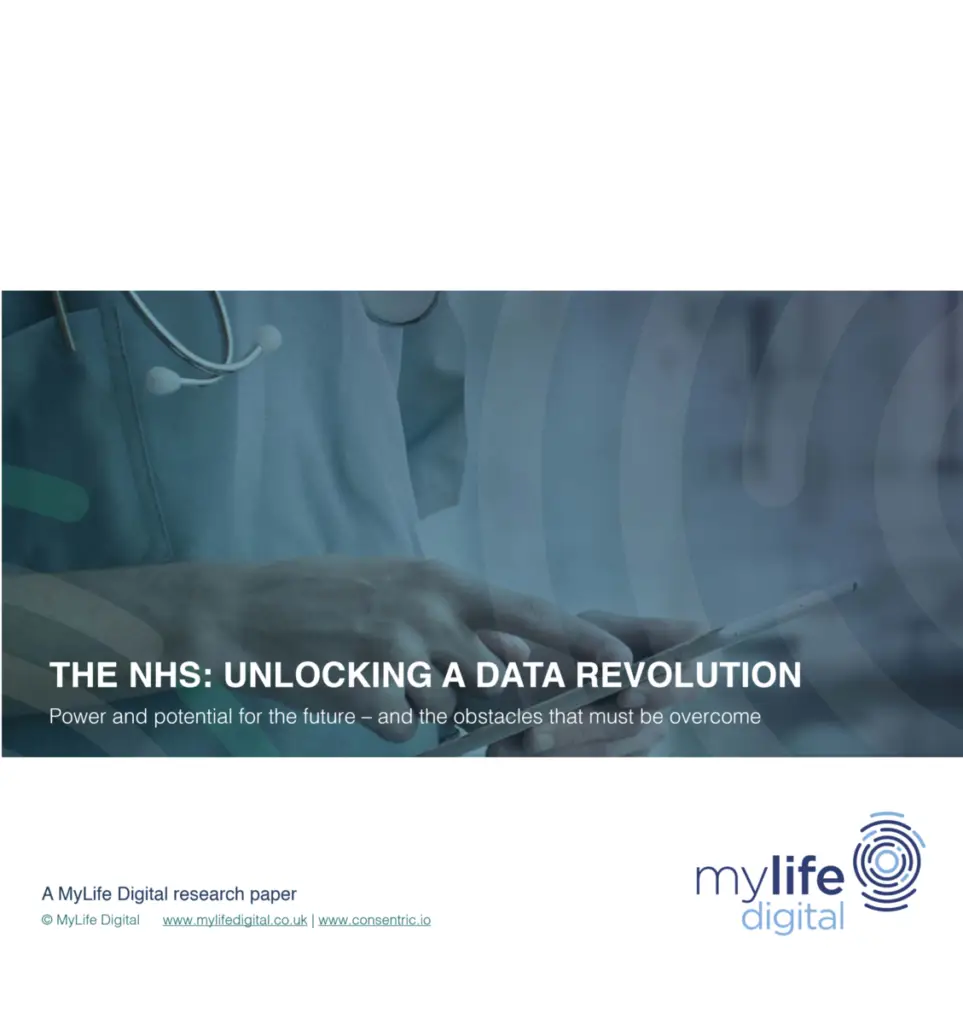
A data revolution awaits the UK’s under-strain NHS – and it has the potential to transform it into the highly efficient and effective service that we all desire. Download this report by Consentric today to explore the role of artificial intelligence in non-clinical applications and what is the NHS’s data revolution.
Adopting agile analytics

Agile has been gaining favour as a methodology outside of its birthplace of software development. Data and analtyics are the latest functions to adopt this working practice. This guidance explains how to transfer the methods successfully.
Why is Leeds such a hub for data activity?

Leeds, the Yorkshire town of almost 800,000 people, has developed into a hub of data activity. It is home to ODI Leeds, the Data City as well as several commercial enterprises that are fuelled by data, such as TransUnion. It is also the location o…
DataIQ Leaders briefing: Making the business case for data and analytics

Data and analytics needs to compete for investment funds against all other departments in the organisation. So what are the compelling bases for the argument that will help it to win? This whitepaper synthesises thoughts from a DataIQ Leaders dinner discussion on the subject.
Data skills gap is exaggerated, say public sector data leaders

“There is a massive war for talent because everyone wants the best.” So said Kevin Fletcher, head of data at Her Majesty’s Revenue and Customs, acknowledging the heated competition among organisations that want to hire data professionals with the …
Yes, Women in Data is still very necessary

Check your privilege, mate. That is the very minimum that should be said to the man who aggressively challenged one of the founders of Women in Data during Big Data Ldn. Picking a verbal fight over the rights or wrongs of perceived positive discri…
Trust in the Digital Age
In this increasingly digital world, do individuals understand the amount and worth of the data they generate? Are organisations transparent about how they use and store this personal data? Download this report by Consentric today to explore why earning trust and why rebuilding trust is important and key factors shaping transparency
DataIQ Leaders briefing: Automation makes its mark

Just under half of UK organisations are already using automation in some form, with the rest still delaying adoption out of concerns about skills, resources and outcomes. This whitepaper reports on the experiences of DataIQ Leaders members that were shared at a recent roundtable event.
Hacking data to find missing people and top talent

At the end of May, 22 data enthusiasts turned up at a building in the vicinity of Royal Mail’s iconic Mount Pleasant sorting office in central London for a charity hackathon. Not only did this event have a philanthropic goal, but it brough…